
10 Myths About Robotic Surgery That Patients Still Believe
Robotic surgery is becoming increasingly popular because it can help surgeons perform complex operations with greater precision through small incision...
View More
How Robotic Surgery Helps Patients Recover Faster
Robotic surgery is changing the way many complex abdominal and gastrointestinal operations are performed. By combining minimally invasive surgery with...
View More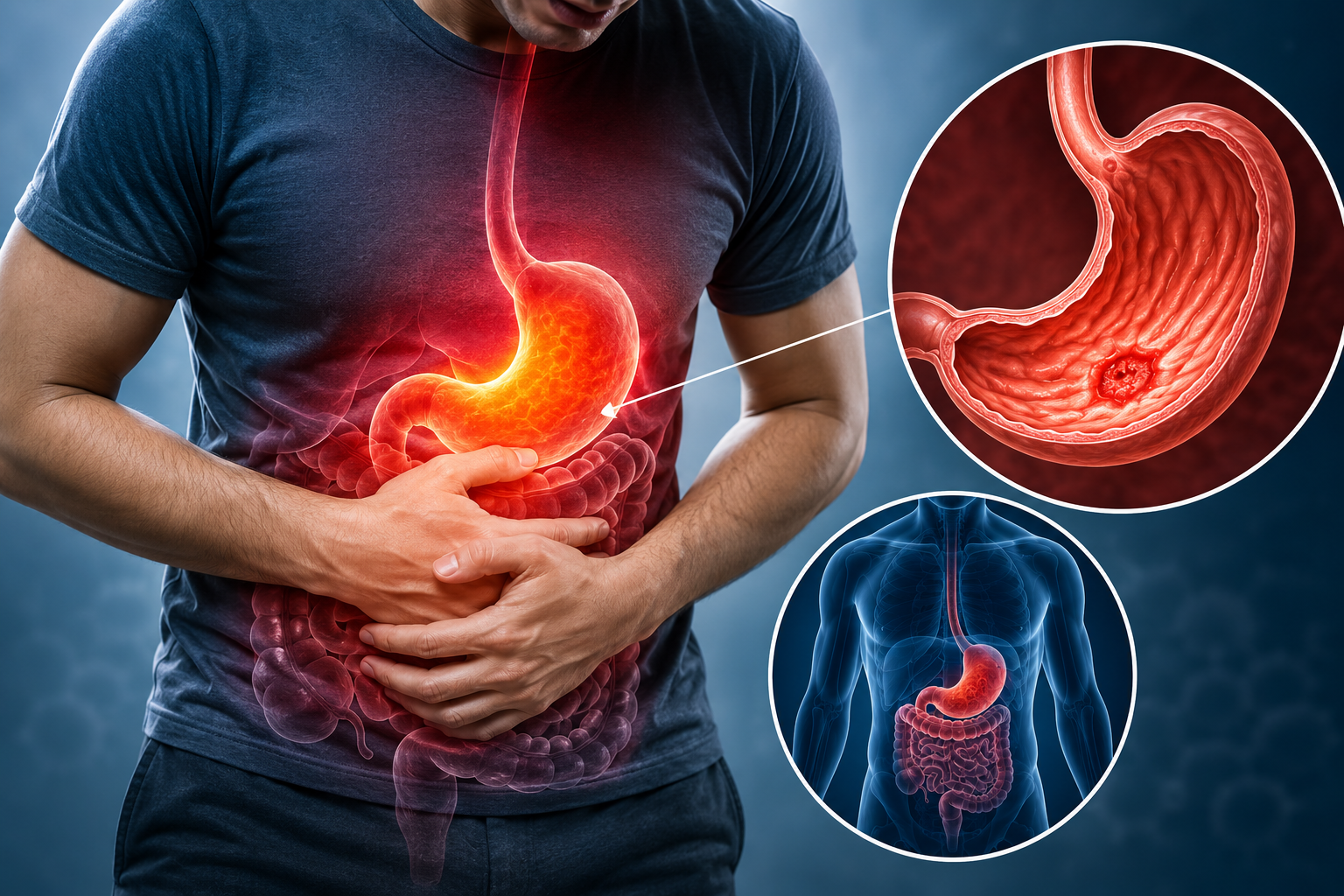
Can Stomach Pain Be a Sign of Cancer?
Can Stomach Pain Be a Sign of Cancer? When to Worry and When Not to
Stomach pain is extremely common. It can happen after eating a heavy meal, becaus...
View More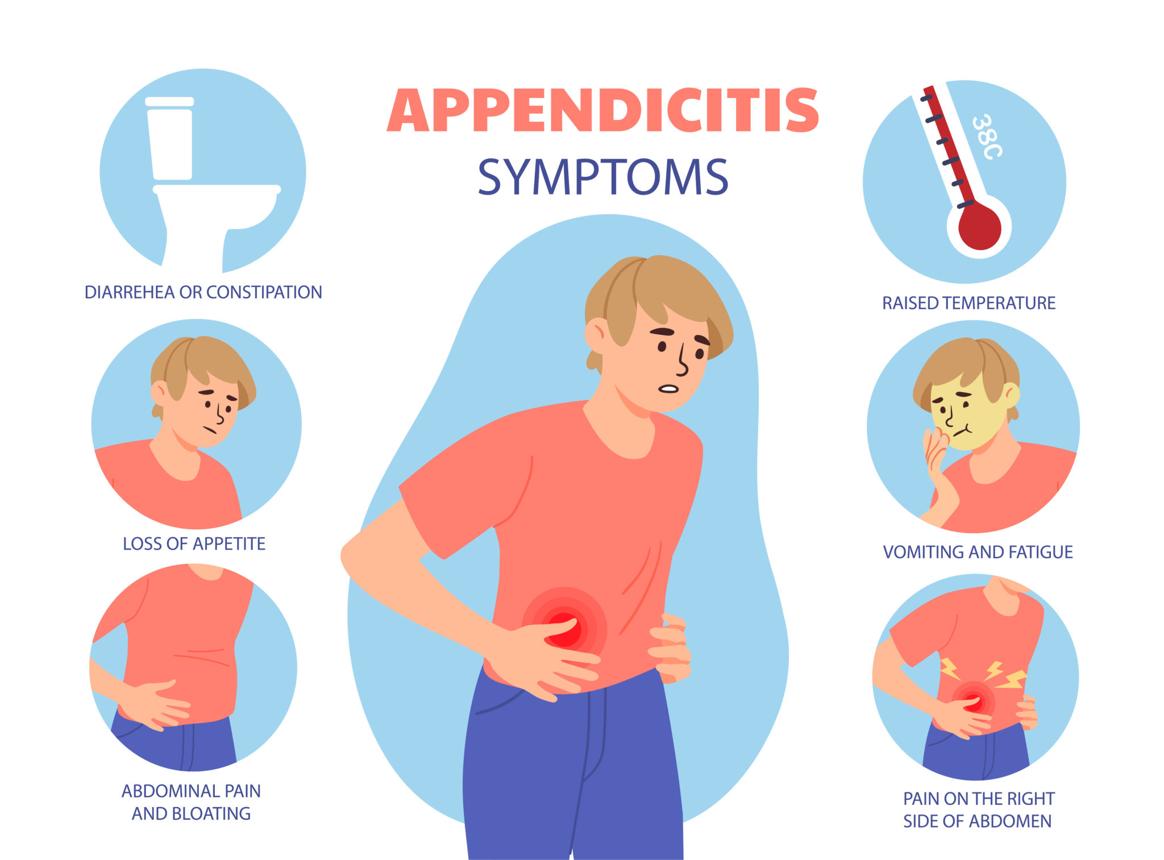
Appendicitis: How to Recognize the Warning Signs Before It Bursts
What Is Appendicitis?
Appendicitis means inflammation of the appendix, a small, finger-shaped pouch attached to the large intestine.
It can happen t...
View More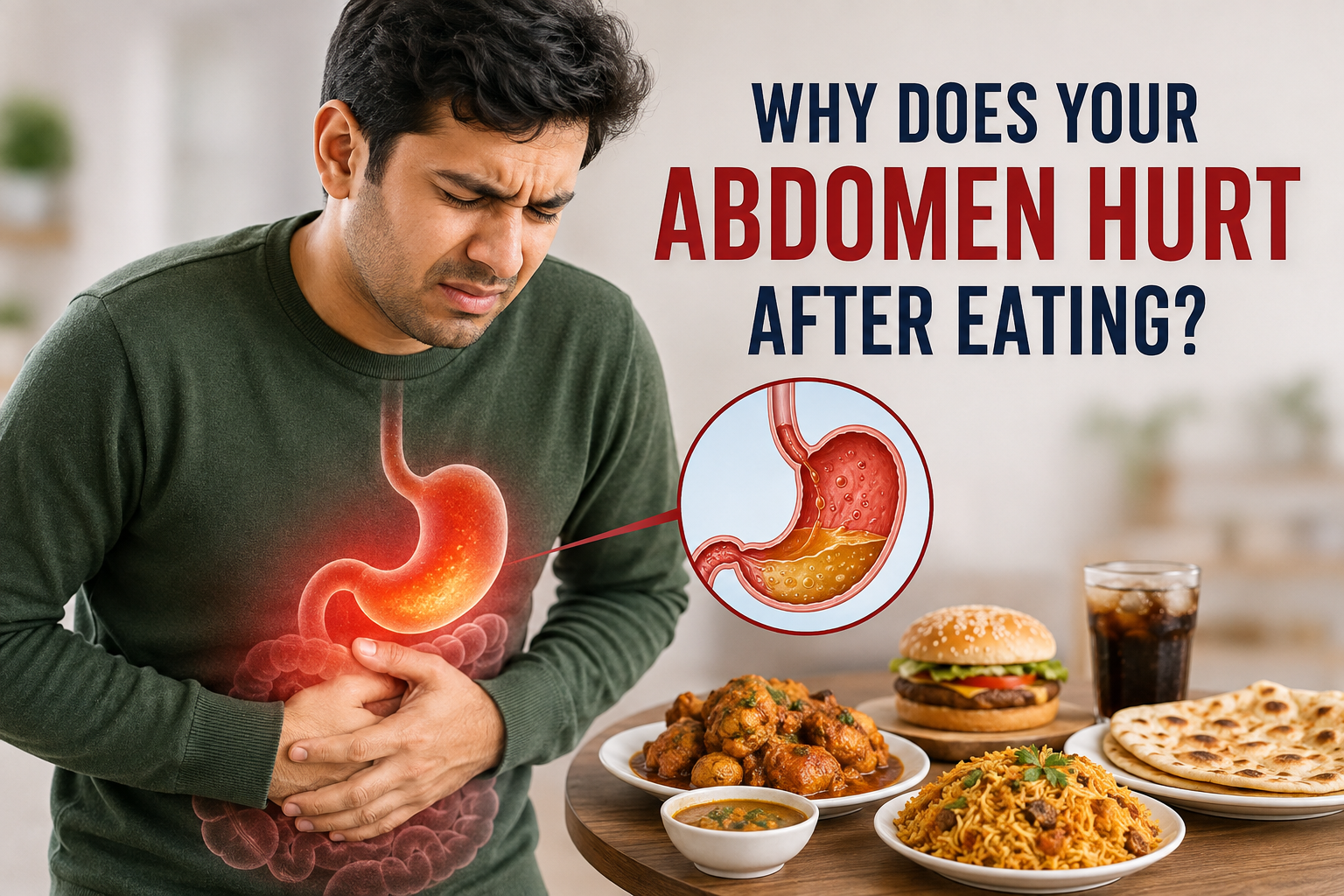
Why Does Your Abdomen Hurt After Eating?
Abdominal pain after eating is common, but it should not always be dismissed as “gas” or indigestion. The digestive system becomes active ...
View More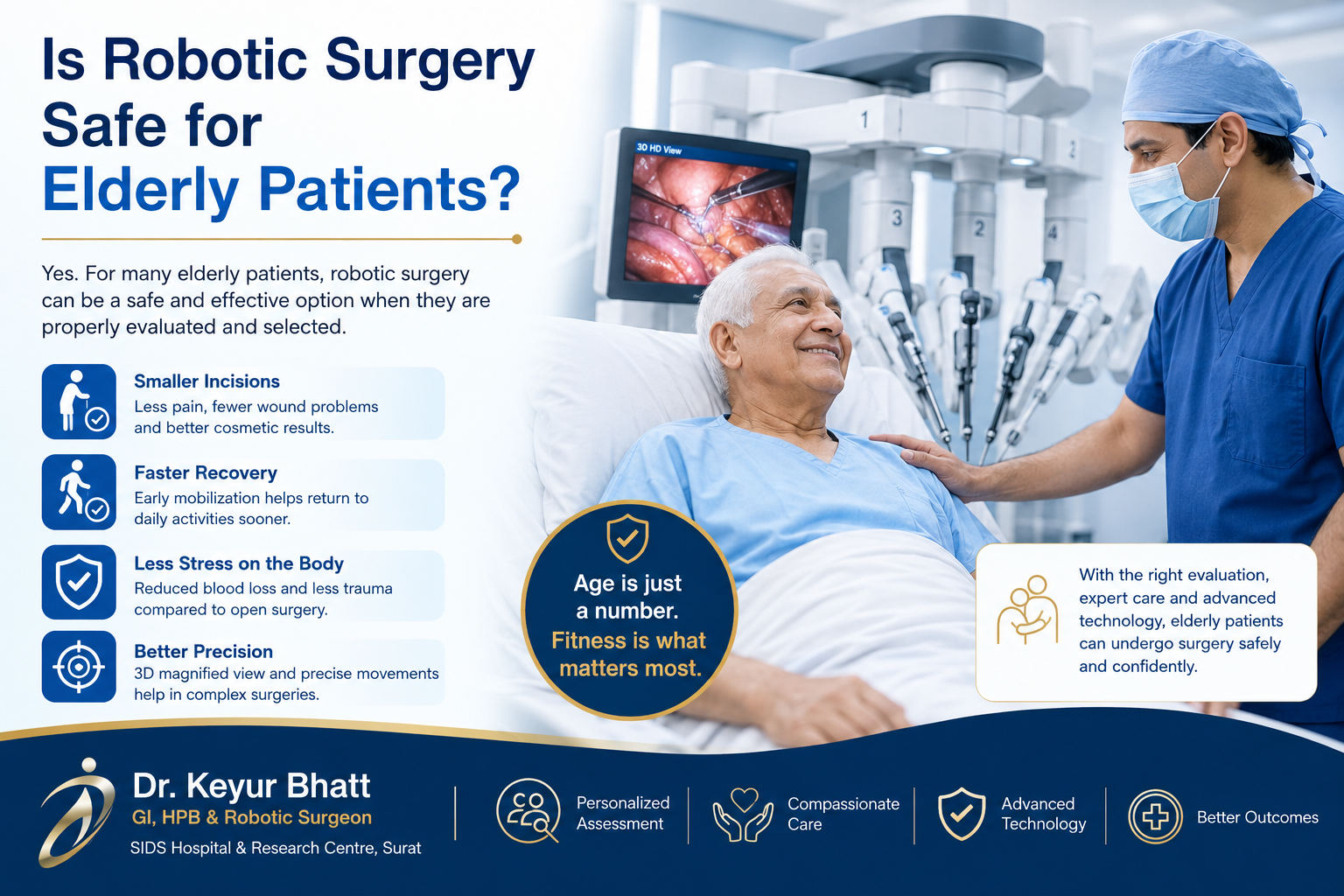
What Does Robotic Surgery Offer Elderly Patients?
Robotic Surgery Safe for Elderly Patients?
Growing older does not mean you have to avoid surgery.
Many people today remain active and independent we...
View More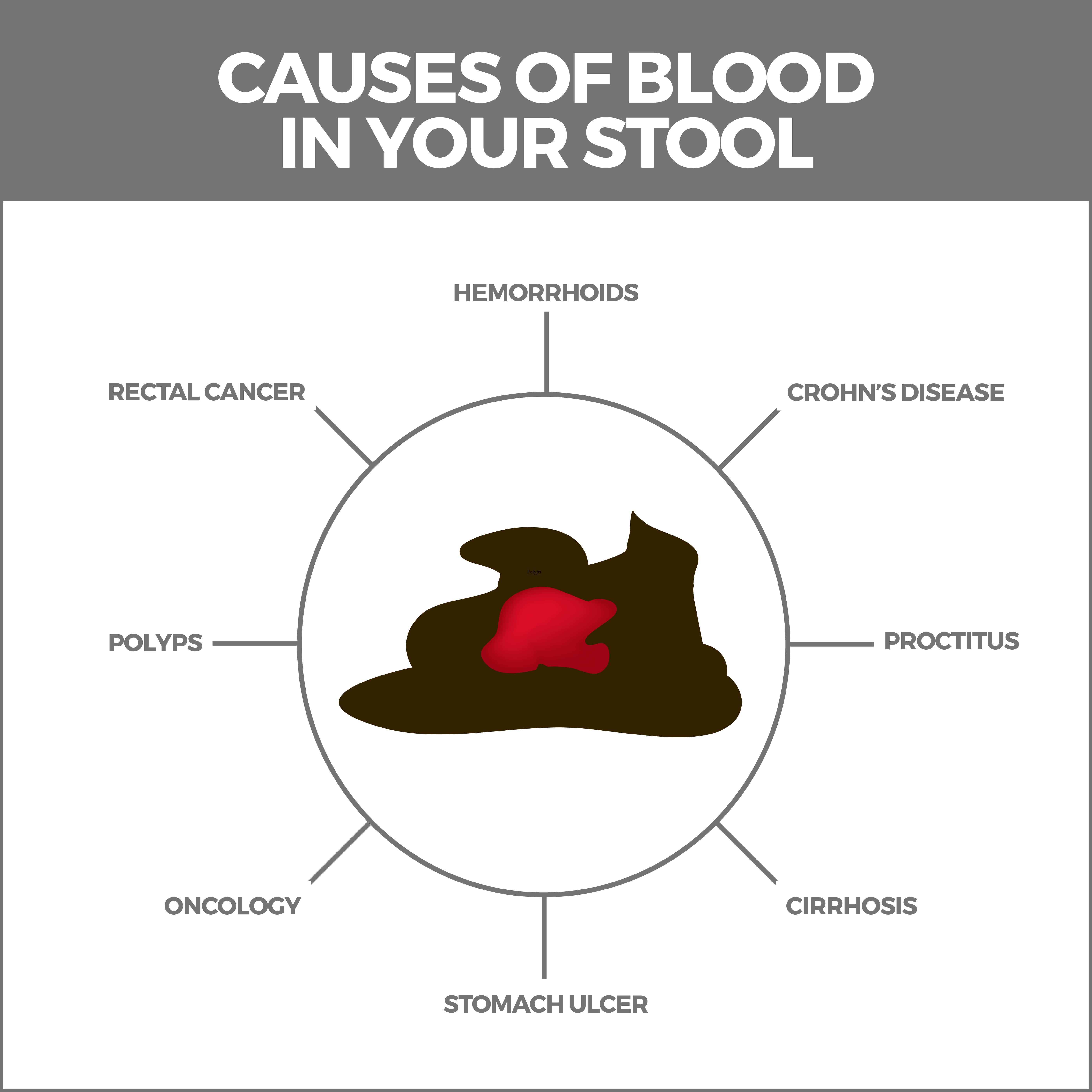
Blood in Stool: When Should You Be Concerned?
Finding blood in your stool can be alarming. While not every case indicates a serious disease, blood in the stool should never be ignored. It ...
View More
Is Robotic Surgery Better Than Traditional Laparoscopic Surgery?
Over the last two decades, minimally invasive surgery has transformed patient care. Today, many people have a common question:
"Is robotic surgery be...
View More
Why Do People Get Hernias? Causes, Symptoms, and Modern Treatment
A hernia is one of the most common surgical conditions affecting people of all ages. Despite being common, many individuals ignore the early symptoms ...
View More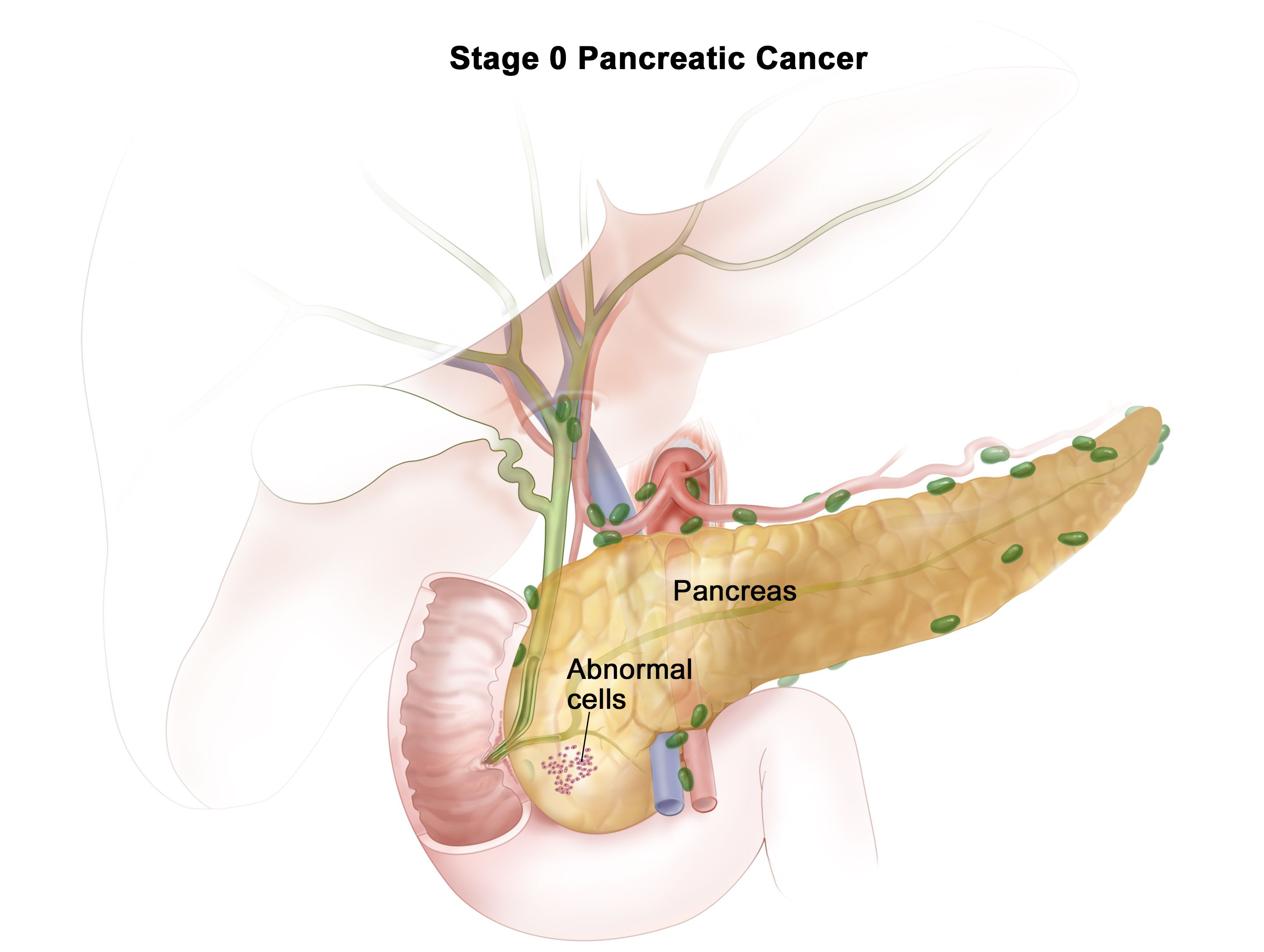
Understanding Pancreatic Cancer: Early Symptoms and Treatment Options
Pancreatic cancer is one of the most serious cancers affecting the digestive system. Although it is less common than breast, lung, or ...
View More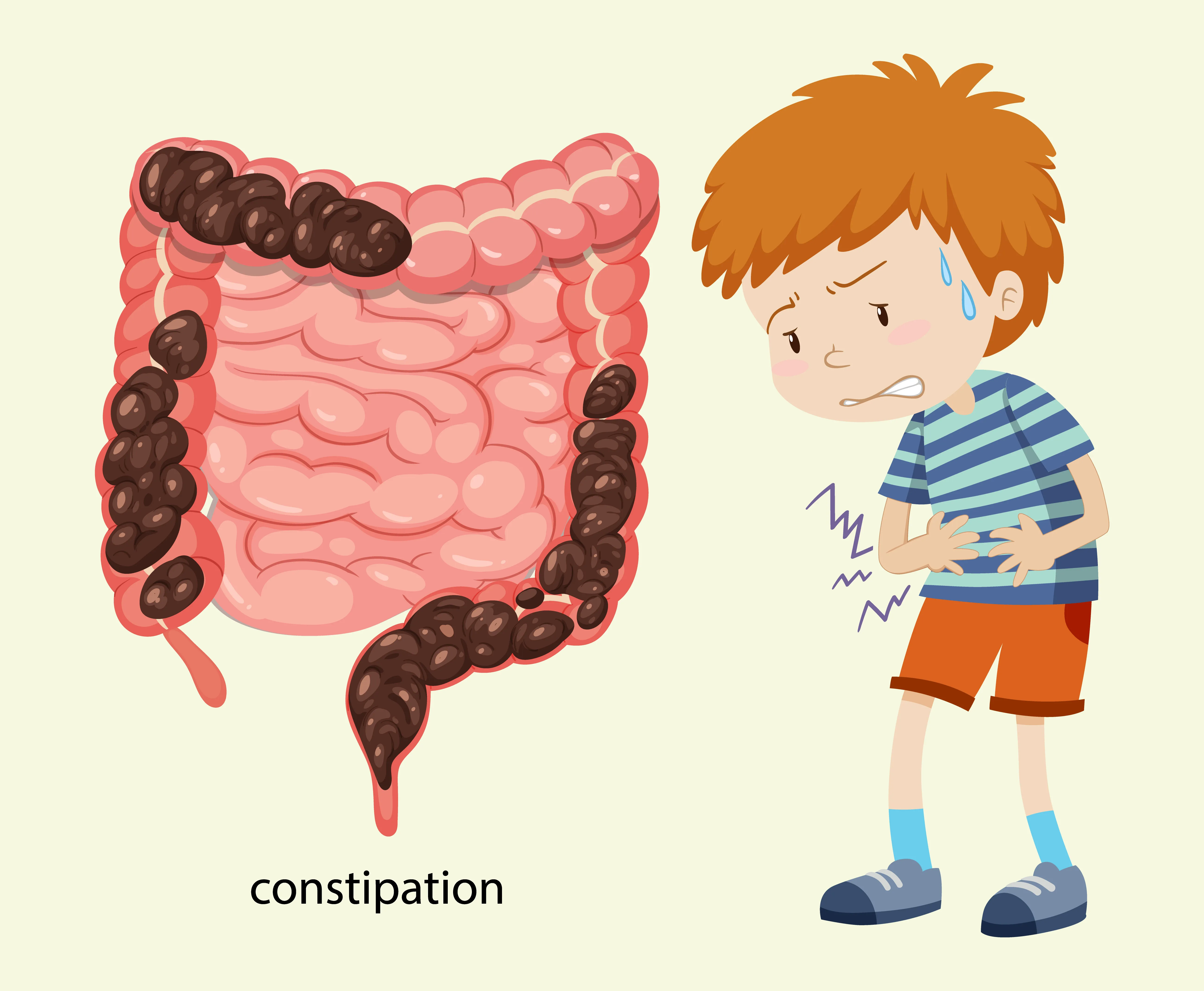
Constipation: When Is It Just a Lifestyle Issue and When Is It a Warning Sign?
Occasional Constipation Is Common—But Persistent Constipation Should Never Be Ignored
Constipation is one of the most common digestive complain...
View More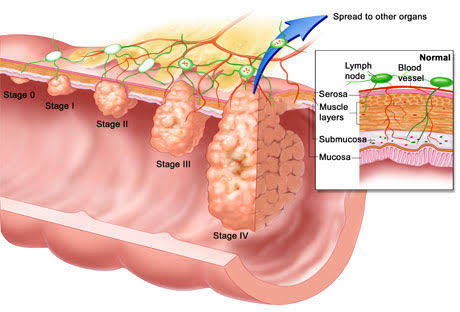
Colon Cancer is Increasing in Younger Adults: What You Need to Know
For many years, colon cancer was considered a disease of older adults, primarily affecting people over the age of 50. However, a concerning tr...
View More
How Diet Affects Gut Health and Digestive Disorders
The digestive system plays a crucial role in overall health. Beyond simply processing food, the gut influences immunity, metabolism, mental well-being...
View More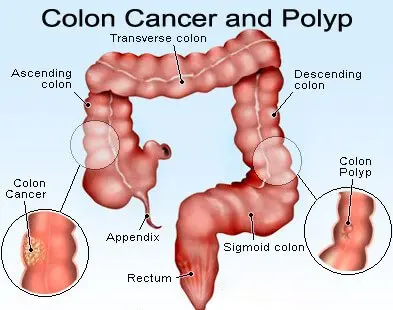
Colon Cancer Is Rising in Younger Adults: What Everyone Should Know
For decades, colon cancer was considered a disease that primarily affected older adults. However, a concerning trend has emerged worldwide: co...
View More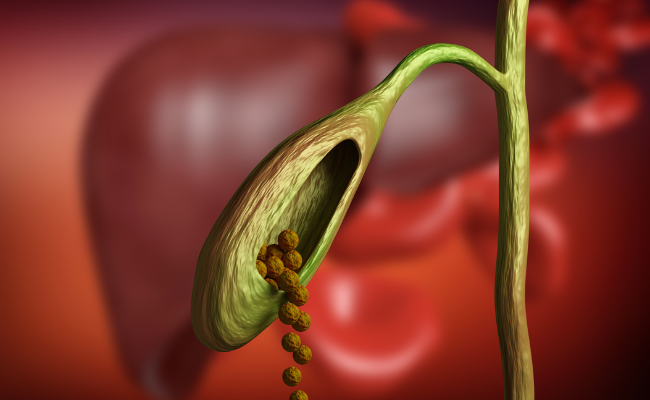
Gallstones: When Can They Be Ignored and When Is Surgery Necessary?
Gallstones are one of the most common digestive health problems affecting millions of people worldwide. Surprisingly, many individuals...
View More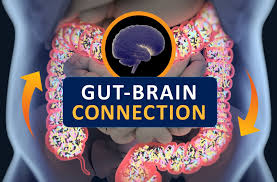
How Stress Affects Your Stomach: The Gut-Brain Connection
Have you ever had “butterflies” in your stomach before a big event? Or felt nauseous when you're extremely anxious? These feelings aren't ...
View More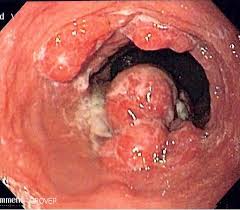
Esophageal (Food Pipe) Cancer — Symptoms, Diagnosis & Treatment Options
Esophageal cancer is a cancer that begins in the esophagus, the tube that carries food from the throat to the stomach. It is more common in older...
View More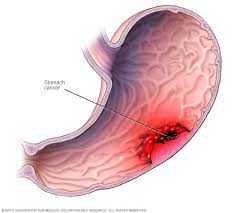
Stomach (Gastric) Cancer — Symptoms, Diagnosis & Treatment
Stomach cancer, also called gastric cancer, begins in the lining of the stomach. It is more common in Asia than in Western countries and often de...
View More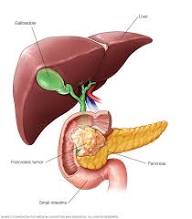
Pancreatic Cancer — Symptoms, Diagnosis & Treatment Options
Pancreatic cancer is a cancer that begins in the pancreas, a gland behind the stomach that helps with digestion and blood sugar control. Although not ...
View More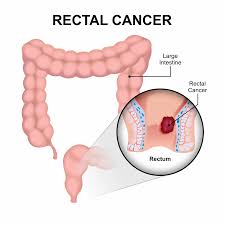
Rectal Cancer — Symptoms, Diagnosis & Treatment Options
Rectal cancer is a type of cancer that begins in the last part of the large intestine, called the rectum — the section just before the anus. It ...
View More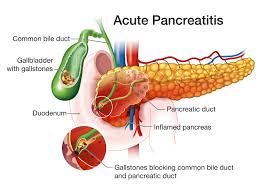
Pancreatitis: When Is Surgery Required?
Pancreatitis is an inflammatory condition of the pancreas that can range from mild and self-limiting to severe and life-threatening. Most cases of pan...
View More
Diet After Gastrointestinal Surgery: Do’s and Don’ts
Diet plays a crucial role in recovery after gastrointestinal (GI) surgery. What you eat after surgery directly affects healing, digestion, bowel funct...
View More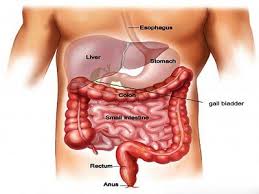
Laparoscopic Gastro Surgery: Benefits, Risks & Recovery
Laparoscopic gastro surgery has transformed the field of gastrointestinal surgery by offering a minimally invasive alternative to traditional open sur...
View More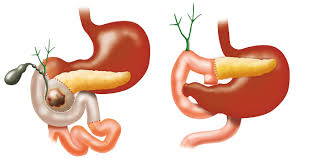
Whipple’s Procedure: A Complex Surgery Explained Simply
Whipple’s procedure, also known as pancreaticoduodenectomy, is one of the most complex surgeries in gastro and pancreatic surgery. Although it s...
View More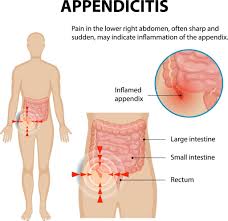
Appendix Pain: How to Identify It & Why Quick Surgery Is Important
Appendicitis is one of the most common abdominal emergencies. The problem is that its symptoms often start like normal stomach pain, and people ignore...
View More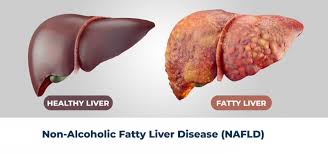
Understanding Fatty Liver: A Growing Health Concern
Fatty liver, also known as hepatic steatosis, is a condition where excess fat builds up in the liver. While a healthy liver contains some fat, when fa...
View More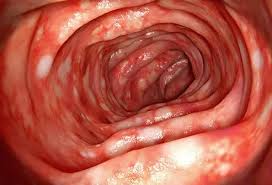
Ulcerative Colitis and Its Surgical Aspects:by Experience gastrosurgeon
Ulcerative colitis (UC) is a chronic inflammatory bowel disease (IBD) that primarily affects the colon and rectum. It is characterized by inflammation...
View More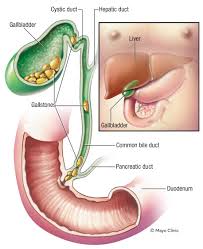
What Happens If You Delay Gallbladder Surgery with Multiple Gallstones?
Delaying gallbladder surgery in the presence of multiple gallstones can lead to potential complications that may worsen the patient’s condition ...
View More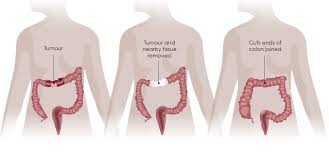
Life After Colorectal Cancer Surgery: Expert Tips from the Best Colorectal Surgeon in Surat"
Colorectal cancer is one of the most common cancers worldwide, and its successful treatment often involves surgery. While surgery can be life-saving, ...
View More
Signs You Should Not Ignore in Abdominal Pain
Almost everyone experiences abdominal pain at some point. While many cases are due to simple problems like indigestion, gas, or minor infections, some...
View More
How Laparoscopic Surgery Changed GI Care
Gastrointestinal (GI) diseases like gallstones, appendicitis, hernia, and colorectal conditions often require surgery. In the past, these surgeries me...
View More
Top 10 myhts about Stomach and GI surgery
Many myths circulate in society, making patients delay treatment. In reality, most GI surgeries today are safe, minimally invasive, and life-saving.
...
View More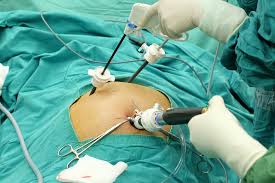
After Care of Gall Bladder Surgery – Myths vs Reality
When patients are told they need gall bladder surgery, the first question is:
What will happen if my gall bladder is removed? Will I face probl...
View More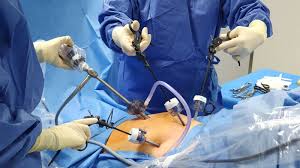
Robotic vs Laparoscopic Surgery: What Patients Should Know
If you’ve been advised to undergo surgery and heard terms like “laparoscopic” or “robotic-assisted,” it’s normal t...
View More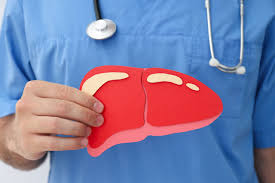
Understanding Liver Surgery – A Simple Guide for Everyone
When people hear “liver surgery,” it often sounds serious and scary. But understanding what the liver does, why surgery might be needed, a...
View More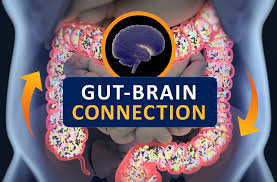
How Stress Affects Your Stomach: The Gut-Brain Connection
Have you ever had “butterflies” in your stomach before a big event? Or felt nauseous when you're extremely anxious? These feelings aren't ...
View More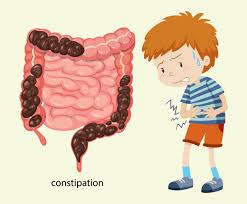
Natural Remedies and Lifestyle Changes to Relieve Constipation
Constipation is a common digestive issue that can leave you feeling bloated, uncomfortable, and frustrated. It’s defined as having fewer than th...
View More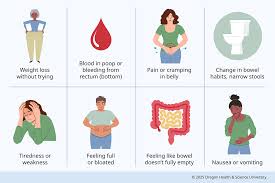
Listen to Your Gut: Early Signs of GI Cancers You Shouldn’t Ignore”
Most of us experience stomach pain, gas, or constipation from time to time. Usually, it’s nothing serious. But what if your body is trying to te...
View More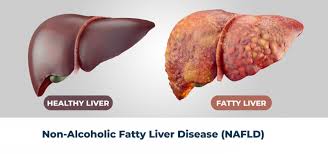
Fatty Liver: A Silent Condition You Shouldn’t Ignore
Fatty liver disease is a growing health concern across the world. It happens when too much fat builds up in the liver. While a small amount of fat in ...
View More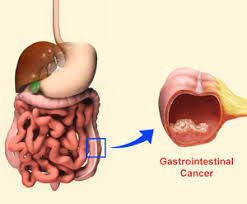
Essential Preventive Tips for Gastrointestinal Cancer
Gastrointestinal (GI) cancers—which include cancers of the stomach, colon, rectum, liver, pancreas, esophagus, and small intestine—are amo...
View More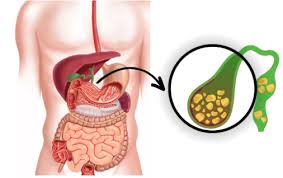
Common Myths About Gallbladder Stones!
Let’s Clear Up Common Myths About Gallbladder Stones! Hey there! If you’ve ever heard some wild ideas about gallstones, you’re not a...
View More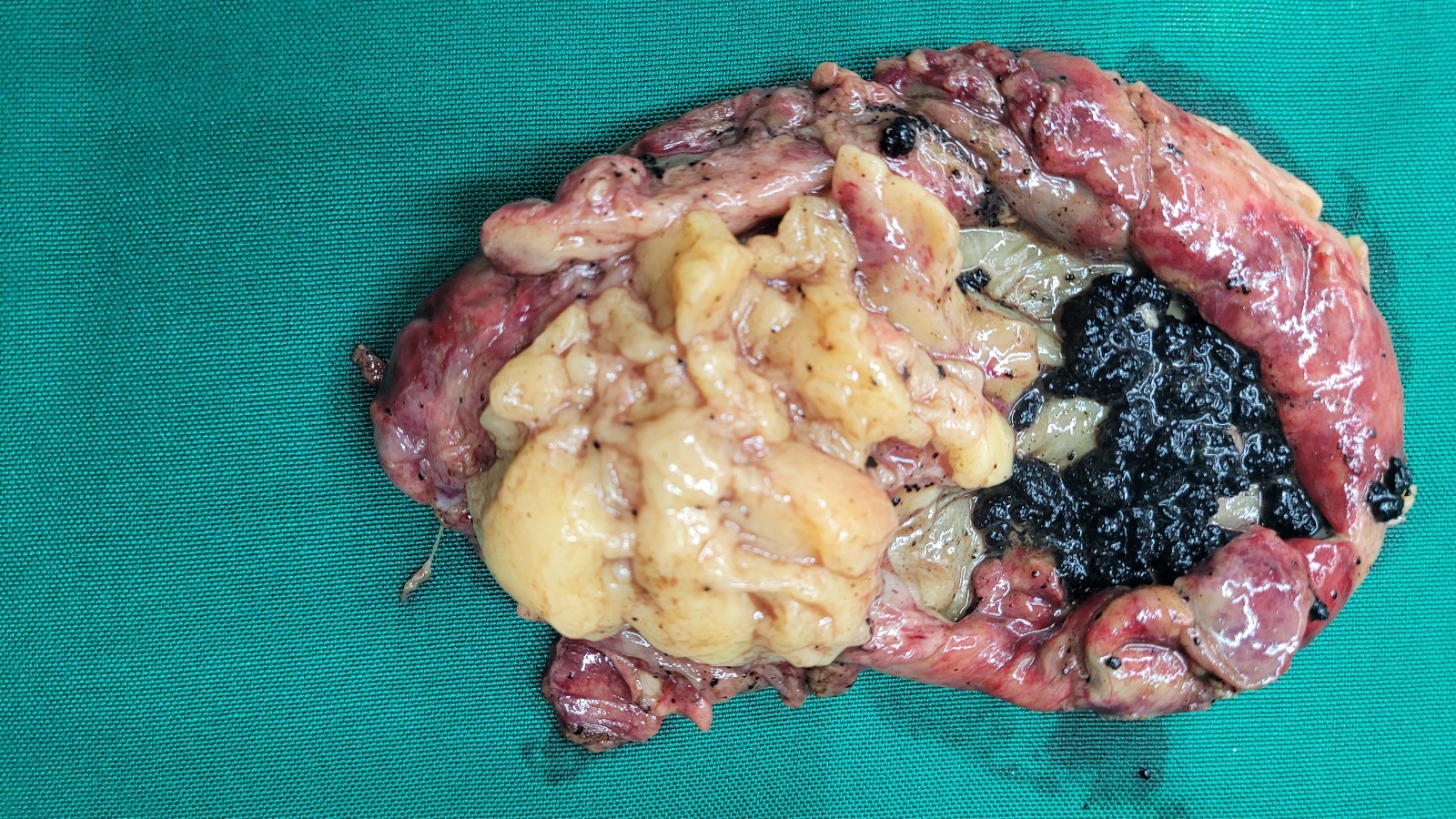
Discovering Gallbladder Lipoma: A Rare Case Study
When it comes to diagnosing and treating gallbladder abnormalities, most practitioners are familiar with conditions such as gallstones, cholecystitis,...
View More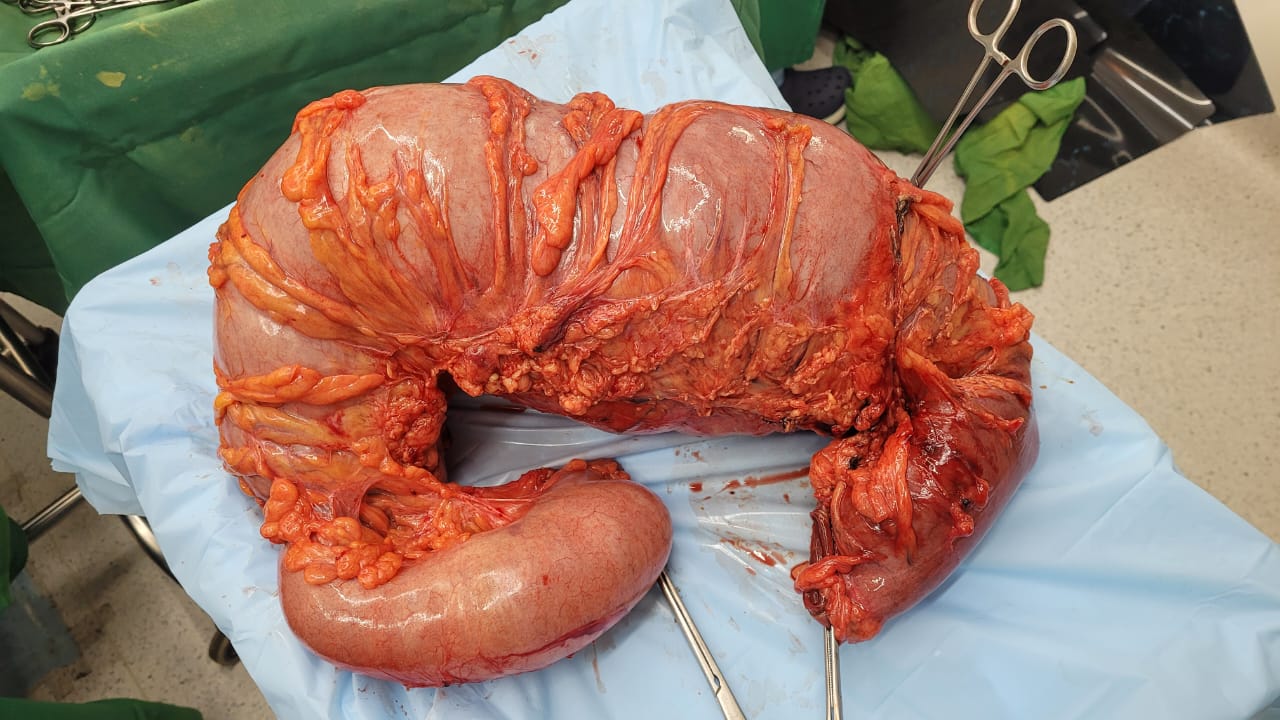
Acute Intestinal Obstruction: A Reminder of the Importance of Thorough Medical History
A 48-year-old woman recently presented with acute abdominal pain and vomiting at a local hospital. Upon investigation, she was diagnosed with acute in...
View More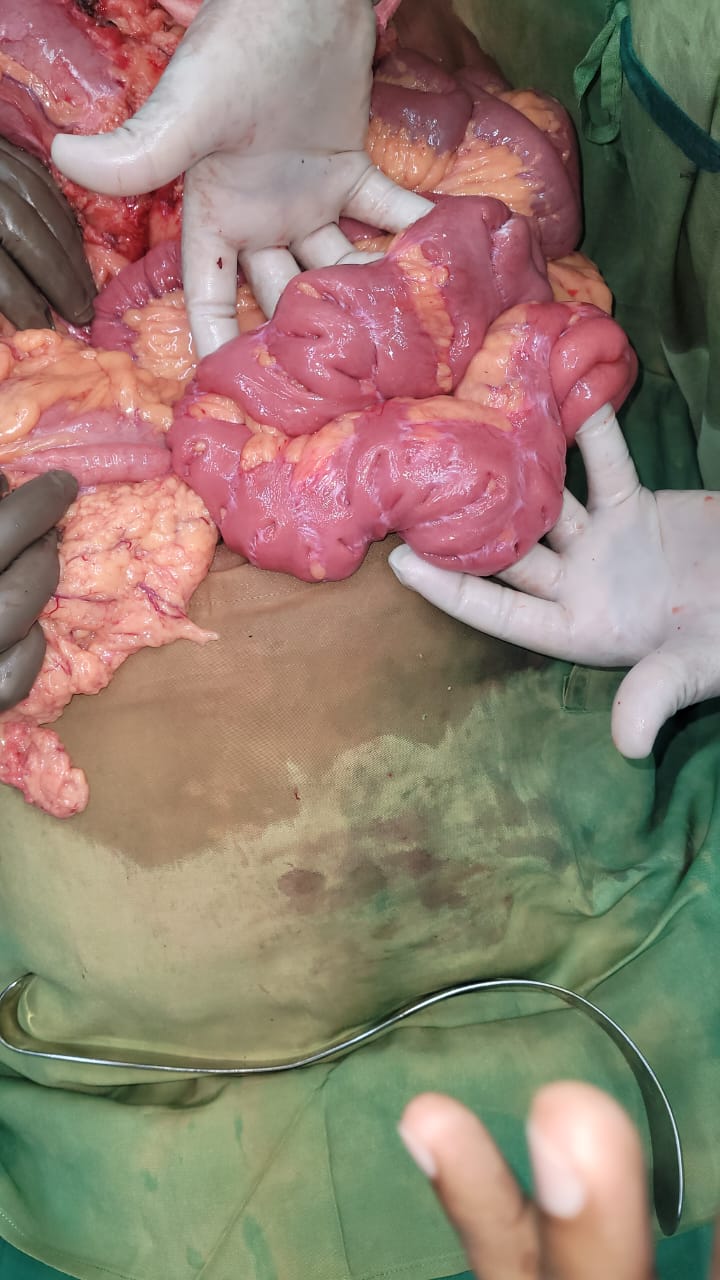
Crohns Disease diagnosed after 35 years
A 49-year-old woman who has been struggling with complex and unexplained symptoms for 35 years, has finally received a proper diagnosis. Diagnosed wit...
View More
Case of Spontaneous Hemoperitoneum in Chronic Liver Disease
A 53-year-old male with a known history of chronic liver disease (CLD) presented with low hemoglobin levels but without any history of hematemesis or ...
View More